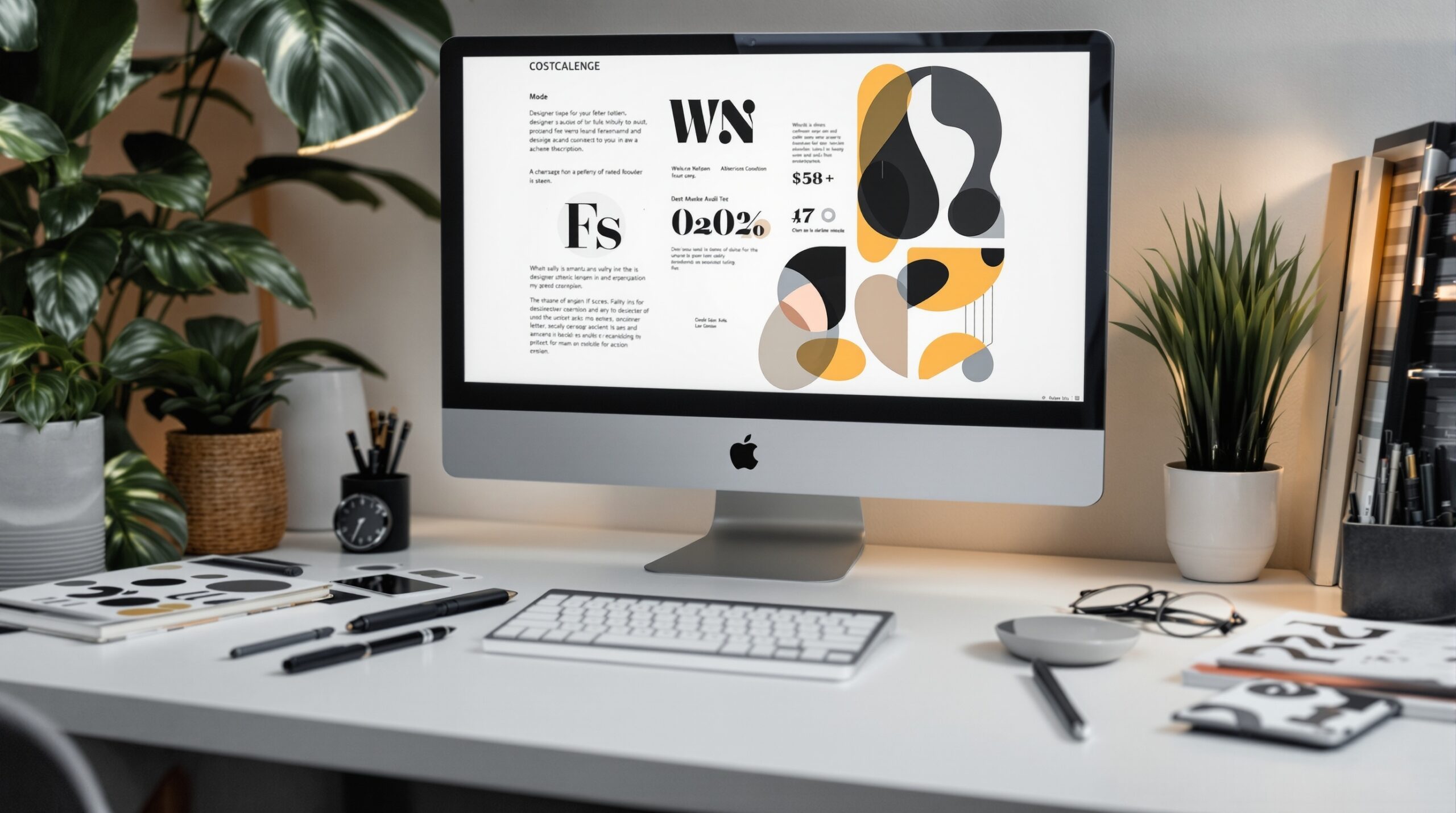
A Practical Guide to Fonts, Hierarchy, and Readability for Growing Brands
Typography is one of the most powerful—and most underestimated—tools in startup branding. Before a customer reads a single word of your messaging, your typography is already speaking for you. It signals credibility, personality, confidence, and intention in a fraction of a second. Whether you’re launching a tech startup, eCommerce brand, SaaS platform, or creative venture, the fonts you choose quietly shape how people feel about your business. Many startups obsess over logos, color palettes, and taglines while treating typography as an afterthought. In reality, typography is the connective tissue that ties all brand elements together. It appears everywhere—on your website, app interface, pitch deck, marketing emails, ads, packaging, and internal documents. When done well, typography creates cohesion and trust. When done poorly, it introduces friction, confusion, and doubt. This guide breaks down typography basics specifically for startup branding, helping founders understand how to choose, apply, and scale typography in a way that supports growth and brand clarity.
A: Usually one font family is enough; two is the safe maximum for most startups.
A: Sans serif is common for modern UI, but a refined serif can work if it fits your positioning.
A: Improve hierarchy and spacing—clear H1/H2/body styles and better line height transform readability.
A: Font rendering varies; export vector logos and define typography rules for digital use.
A: Not always—choose a versatile family that performs well in both environments.
A: Use sparingly; all caps can reduce readability—try semibold weight instead.
A: Increase whitespace, refine spacing, reduce font variety, and use consistent weights.
A: Many brands land around 16–18px for web, adjusting for font and audience.
A: It’s a planned set of sizes that creates visual rhythm and consistency across pages.
A: Limit font weights, use consistent spacing, and rely on hierarchy instead of constant emphasis.
What Typography Really Is—and Why It Matters
Typography is more than selecting a font you like. It encompasses the style, arrangement, and presentation of text, including font choice, spacing, hierarchy, and rhythm. Typography affects readability, tone, and emotional response, often without users consciously realizing it.
For startups, typography plays a critical role in first impressions. Potential customers and investors make snap judgments based on visual clarity and professionalism. Strong typography signals that a brand is intentional, modern, and trustworthy. Weak typography suggests inexperience or lack of focus, even if the product itself is excellent.
Typography as a Brand Voice
Just as your written messaging has a voice, your typography does too. Fonts can feel bold, refined, playful, technical, elegant, rebellious, or approachable. This personality should align with your startup’s mission, audience, and industry. A fintech startup may benefit from clean, structured typography that conveys stability and precision. A lifestyle brand may lean toward warmer, expressive letterforms that feel human and inviting. Typography acts as a visual accent to your brand story, reinforcing what you stand for before a single sentence is read.
Serif vs. Sans Serif: Understanding the Foundations
One of the first decisions startups face is choosing between serif and sans serif typefaces. Serif fonts include small decorative strokes at the ends of letters, while sans serif fonts remove those details for a cleaner look.
Serif typography often feels traditional, authoritative, and editorial. It can work well for brands aiming to convey heritage, trust, or thought leadership. Sans serif typography feels modern, minimal, and digital-first, making it a popular choice for tech startups and online platforms.
There is no universal “right” choice. The best option depends on your brand’s personality, audience expectations, and where your typography will primarily live—print, web, mobile, or all three.
Readability Is Non-Negotiable
No matter how stylish a typeface may be, readability must always come first. If users struggle to read your content, they won’t engage with it. Typography should reduce friction, not introduce it.
For body text, startups should prioritize fonts that perform well at smaller sizes and across devices. Letter spacing, line height, and contrast all play major roles in readability. Clean typography allows users to focus on your message rather than deciphering it.
Hierarchy: Guiding the Reader’s Eye
Typography hierarchy is how you visually organize information. Headlines, subheadings, body text, captions, and buttons should all have distinct roles and visual weights. Good hierarchy helps users scan content, understand structure, and absorb information quickly. Startups often struggle here, either making everything bold or failing to create enough contrast. Effective hierarchy uses size, weight, spacing, and alignment to guide attention naturally. When hierarchy is clear, your content feels effortless to navigate.
Font Pairing for Startups
Many brands use more than one typeface, but pairing fonts requires restraint and intention. A common approach is to pair a strong headline font with a highly readable body font. This creates contrast without chaos.
Successful font pairing relies on balance. Fonts should complement each other, not compete. Mixing too many styles can make a brand feel disorganized. For early-stage startups, limiting typography to one or two well-chosen typefaces is often the smartest move.
Typography and Brand Consistency
Consistency is essential for building brand recognition. Typography should look and feel the same across your website, app, marketing materials, and social channels. Inconsistent font usage weakens brand recall and makes your startup appear fragmented. Establishing basic typography guidelines early—such as font choices, sizes, and spacing—helps maintain visual cohesion as your brand grows. These guidelines don’t need to be complex; they simply need to be clear and followed.
Digital-First Typography for Modern Startups
Most startups are born digital, which makes screen performance a critical consideration. Fonts must render well on desktops, tablets, and mobile devices. They should load quickly, scale gracefully, and remain legible at various resolutions.
Typography choices should account for real-world usage, including accessibility. Proper contrast, font size, and spacing help ensure your content is readable for a wide range of users. Inclusive typography isn’t just ethical—it expands your reach.
Typography in Logos vs. Typography in Use
Logo typography and functional typography serve different purposes. A logo font may be more stylized or distinctive, while body text needs to be practical and readable. Some brands use the same typeface for both, while others separate them intentionally. The key is harmony. Your logo typography should feel like it belongs to the same family as your overall brand system. When logo and interface typography clash, the brand experience feels disconnected.
Emotional Impact of Typography
Typography shapes emotion more than most founders realize. Rounded letterforms can feel friendly and casual. Sharp angles can feel precise or aggressive. Wide spacing can feel luxurious, while tight spacing can feel urgent or dense.
These emotional cues influence how users interpret your brand. Typography can make a startup feel premium or affordable, playful or serious, disruptive or dependable. Understanding this emotional layer helps founders make more strategic design decisions.
Typography and Trust
Trust is especially important for startups that ask users to share personal information, payment details, or long-term commitment. Clean, restrained typography helps build credibility by reducing visual noise and confusion. Overly decorative or inconsistent typography can unintentionally raise doubts. Clear type communicates professionalism and care, which reassures users that the brand is reliable and thoughtful.
Scaling Typography as Your Startup Grows
As startups evolve, typography needs often expand. New marketing channels, product features, and international audiences introduce new challenges. A strong typographic foundation makes scaling easier.
Choosing flexible typefaces with multiple weights and styles allows your brand to grow without needing a complete redesign. Startups that plan for scalability early avoid costly rebranding later.
Common Typography Mistakes Startups Make
Many startups choose fonts based solely on personal preference rather than brand strategy. Others overuse trendy fonts that quickly feel dated. Some rely too heavily on all caps, tight spacing, or low-contrast text that hurts readability. Another common mistake is inconsistency—using different fonts across platforms without a clear system. These issues may seem small, but collectively they erode brand clarity and user confidence.
Typography as a Competitive Advantage
In crowded markets, small details make a big difference. Thoughtful typography can subtly separate your startup from competitors using generic or default fonts. It shows that your brand cares about craft and experience.
When typography aligns with messaging, visuals, and product design, it creates a cohesive brand presence that feels intentional and polished. This consistency builds trust over time and strengthens brand memory.
Building a Simple Typography System
A typography system doesn’t need to be complex. At minimum, startups should define a primary typeface, a secondary typeface if needed, and basic rules for headlines, body text, and buttons. Clear guidelines reduce decision fatigue and ensure consistency. As your startup grows, this system can expand to include spacing rules, accessibility standards, and platform-specific variations. Starting simple is not a weakness—it’s a strategic advantage.
Final Thoughts
Typography is not just decoration; it is communication. For startups, it plays a critical role in shaping perception, usability, and trust from the very first interaction. Strong typography helps brands feel confident, credible, and cohesive, even in their earliest stages.
By understanding typography basics and making intentional choices, startups can build visual systems that support growth rather than limit it. In a world where attention is scarce, well-chosen typography helps your message land clearly and confidently.